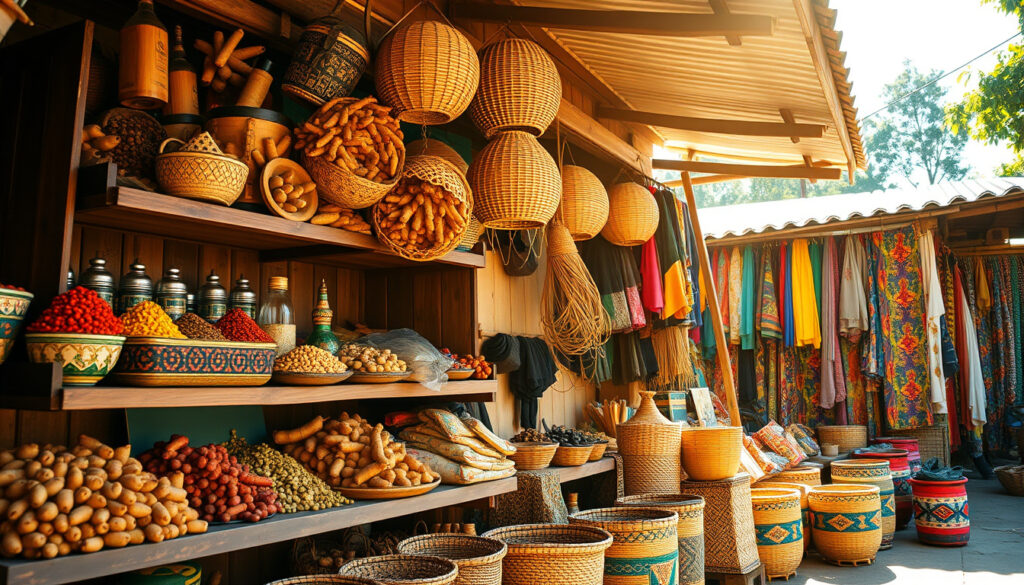
African Store Near Me – Find Markets, Hours & Products
African grocery stores and markets have become essential community hubs for diaspora populations seeking authentic ingredients from home. These specialized retailers stock hard-to-find staples like fufu, egusi seeds, plantains, and traditional spices that rarely appear in mainstream supermarkets. Whether you are preparing a Sunday jollof rice dinner or searching for specific cosmetic products like shea butter, understanding how to locate and evaluate these stores can significantly enhance your shopping experience.
The demand for African grocery stores has grown alongside immigrant communities across the United States. From West African favorites like Nigerian and Ghanaian products to Caribbean imports, these markets serve diverse cultural needs. Many stores also cater to specific dietary requirements, including halal options for Muslim shoppers. The shopping experience at these markets often includes personal customer service, special order capabilities, and connections to the broader diaspora community.
How to Find African Stores Near Me
Locating African grocery stores in your area requires combining multiple search strategies. Digital mapping services provide the most immediate results, while specialized directories and review platforms offer deeper insights into store selection and quality. Understanding which tools work best can save time and help identify the most suitable options for your specific needs.
- Rising demand for traditional produce like yams and plantains in urban centers
- Most stores operate as independent businesses rather than chains
- Special orders often available for hard-to-find items
- Average ratings for quality African markets typically exceed 4 stars
- Customer satisfaction heavily tied to authenticity of imported products
- Store density higher in cities with established immigrant communities
| Fact | Details |
|---|---|
| Typical Products | Groceries, traditional spices, imported beverages, cosmetics |
| Average Distance | Under 5 miles in major urban areas |
| Typical Hours | 9 AM to 7 PM, with reduced Sunday hours at some locations |
| Price Range | $ to $$ depending on product type |
| Popular Items | Fufu, egusi, plantains, shea butter, imported snacks |
What Products Do African Stores Sell?
African grocery stores offer an extensive range of products designed to meet the culinary and household needs of diaspora communities. Unlike standard supermarkets, these markets prioritize authentic imports and traditional ingredients that define West African, East African, and Caribbean cuisines. Shoppers can expect to find shelf-stable staples, fresh produce, frozen goods, and specialty items that would otherwise require online ordering from overseas suppliers.
Staple Foods and Ingredients
The cornerstone of any African market inventory revolves around staple foods used daily across the continent. Fufu, a fermented cassava and plantain dough, remains one of the most sought-after items among Nigerian and Ghanaian shoppers. Egusi seeds, which form the base of rich soups like egusi soup, are typically ground and packaged for convenient cooking. Yam chunks, both fresh and processed, support traditional dishes such as fried yam or yam porridge.
Spices and Seasonings
Traditional spice blends distinguish authentic African cooking from Western interpretations. Curry powder, thyme, and blend seasonings appear alongside region-specific mixes like suya spice for grilled meats. These stores provide access to the precise flavor profiles required for dishes like Nigerian jollof rice, Ghanaian red red, and various stew preparations that depend on correct seasoning balance.
When shopping for egusi, look for pre-ground options if you lack a food processor at home. Many stores also carry frozen fufu dough, which simplifies preparation significantly for those without access to traditional pounding equipment.
Best African Markets and Stores Near Me
Evaluating African markets requires considering factors beyond simple proximity, including product selection, pricing, store hours, and delivery availability. Several standout retailers have established reputations for serving diaspora communities with consistent quality and authentic offerings. Understanding the strengths of each helps shoppers prioritize which stores to visit first or contact for special orders.
Featured Retailers
Africarib Market operates in Austin, Texas, providing comprehensive African and Caribbean food selections alongside cosmetics and imported beverages. Their inventory includes hard-to-find items like Milo, Cerelac, and Amstel Malta that appeal to West African diaspora tastes. Located at 825 E Rundberg Lane, the store emphasizes customer satisfaction and accepts special orders for missing items. Customers can reach them directly at (512) 339-4535 to inquire about specific product availability.
NigerianStore specializes in Nigerian and broader African groceries with delivery service across the Atlanta metropolitan area. Their online platform features fufu, egusi, plantains, and traditional spices at competitive prices. The absence of a physical retail location means all shopping occurs through their digital storefront, making delivery options particularly valuable for customers without nearby alternatives.
Asher African Market in Jefferson, Louisiana, maintains regular business hours from 9 AM to 7 PM Monday through Saturday and 1:30 PM to 7 PM on Sundays. Their product selection includes traditional items like Abacha, Attieke, and imported beverages such as Amstel Malta. Situated at 3741 Jefferson Highway, this market serves the greater New Orleans area with accessible location and consistent operating schedule.
Store hours and delivery options change frequently. Always verify current information by contacting stores directly or checking their official websites before visiting. Some markets adjust schedules during holidays or special events.
African Store Hours, Delivery, and Access
Practical access considerations significantly impact the usefulness of any African market. Operating hours vary considerably between retailers, with some maintaining extended evening hours while others close early on certain days. Understanding these patterns helps shoppers plan effective errands and avoid wasted trips to locations that may be closed.
Typical Operating Hours
Most African grocery stores follow consistent weekday schedules, opening around 9 AM and closing between 6 PM and 9 PM. Saturday hours often mirror weekday patterns, though some markets close earlier in the afternoon. Sunday operation is less common, with those that open typically running abbreviated hours from early afternoon through early evening. Asher African Market exemplifies this model, opening at 9 AM Monday through Saturday and offering limited Sunday service from 1:30 PM.
Delivery Options
Delivery availability depends heavily on the specific retailer and its infrastructure. NigerianStore offers local delivery across Atlanta through its online platform, making it accessible to customers throughout the metropolitan area. AfroMart in the New Orleans region provides online shopping capabilities, though delivery terms require direct clarification with the retailer.
Third-party delivery services like Uber Eats and DoorDash have expanded their African food selections in certain markets, though partnerships with specific stores remain inconsistent. Checking these apps directly for current African restaurant and grocery listings provides the most accurate delivery availability information for your location.
Partnerships between African markets and third-party delivery services change frequently. Contact stores directly or check delivery apps immediately before ordering to confirm current delivery options are available in your area.
Halal and Dietary Options
Halal food options are common in African grocery stores due to significant Muslim populations in West African countries like Nigeria and Ghana. Butcher sections frequently stock halal-certified meats, particularly goat, lamb, and beef cuts essential for traditional dishes. However, halal certification status varies by retailer and product, so direct inquiry with store staff provides the most reliable information for specific dietary requirements.
Established Facts Versus Uncertain Information
| Verified Information | Requires Local Verification |
|---|---|
| African markets stock fufu, egusi, plantains, yams, and spices | Current store hours and holiday schedules |
| Shea butter and African cosmetics commonly available | Delivery partnership status with third-party apps |
| Most stores are independent, city-specific businesses | Halal certification on specific products |
| Customer reviews emphasize authenticity and selection | Real-time stock availability for specific items |
| Pricing varies from $ to $$ depending on product and location | Current promotions or discount offers |
The Role of African Markets in Diaspora Communities
African grocery stores serve functions beyond simple retail, acting as cultural anchors for immigrant and diaspora populations far from their countries of origin. These markets enable community members to maintain culinary traditions, prepare celebratory meals for holidays and ceremonies, and access products that connect younger generations to heritage cuisines. The ability to purchase authentic ingredients locally reduces reliance on expensive international shipping and provides spaces for cultural exchange.
The independent nature of most African markets means each store develops its own character and selection based on its primary customer base. Nigerian-focused stores emphasize dishes and ingredients from Nigeria, while broader African markets might stock East African products like injera or Ugandan vanilla. This specialization benefits shoppers seeking specific regional items while creating a diverse landscape of options across metropolitan areas.
Product pricing at African markets often undercuts international online retailers, particularly for everyday staples like palm oil, stockfish, and dried crayfish. However, prices can exceed standard supermarket rates for imported luxury items or products with complex supply chains. Comparing prices between local African markets and alternative sources helps identify the best value for specific shopping needs. For those exploring broader retail options in their area, guides to M and S Near Me – Find Stores, Hours and Cafes Nearby offer additional local shopping resources.
Sources and Community Feedback
“Traditional food needs to meet every customer’s satisfaction” — Africarib Market philosophy emphasizes commitment to authentic product sourcing and customer requests for special items.
Customer feedback consistently highlights authenticity as the primary factor distinguishing quality African markets from inferior alternatives. Reviewers frequently mention specific staff members, product freshness, and the ability to special order missing items as positive attributes. Negative reviews often cite inconsistent stock, elevated pricing compared to expectations, or limited store hours that conflict with customer availability.
Stores like Asher African Market receive particular praise for transparent pricing, with individual products like Abacha clearly marked at specific price points such as $8.99. This approach helps diaspora shoppers budget effectively for traditional meal preparation without encountering surprise costs at checkout.
Summary
Finding and shopping at African grocery stores near you involves understanding the unique characteristics of each retailer, including their product specializations, operating hours, and delivery capabilities. Markets like Africarib Market in Austin, NigerianStore serving Atlanta, and Asher African Market in Jefferson represent the diversity of options available to diaspora communities. These stores provide essential access to authentic ingredients like fufu, egusi, plantains, and shea butter that support traditional cooking and cultural continuity. For additional local shopping resources, explore guides to Delivery Pizza Near Me – Fastest Chains and Times for broader options in your area.
Frequently Asked Questions
Do African stores sell halal food?
Many African grocery stores stock halal options, particularly butcher sections featuring goat, lamb, and beef. Halal availability varies by retailer, so contact stores directly to confirm specific product certification if dietary compliance is essential.
What brands are at African grocery stores?
Common brands include imported African products like Milo, Cerelac, and Amstel Malta. NigerianStore specializes in Nigerian-brand goods, while broader markets carry region-specific products from Ghana, Senegal, and other countries.
Can I get African store delivery?
Delivery availability varies by retailer. NigerianStore offers local Atlanta delivery through its online platform. Some markets partner with third-party services like Uber Eats, though partnerships change frequently and require local verification.
What traditional foods can I buy at African markets?
Expect to find fufu, egusi seeds, plantains, yams, stockfish, dried crayfish, palm oil, and various spice blends. Many stores also carry ready-to-eat options, imported snacks, and beverages like Malta Guinness.
How do I find stores open now near me?
Check Google Maps for current operating hours, then verify directly on store websites or by calling. Asher African Market maintains verified hours including Sunday service from 1:30 PM to 7 PM.
Do African stores sell beauty products?
Yes, many markets carry African beauty and skincare products including shea butter, hair care items, and cosmetics. Africarib Market explicitly stocks shea butter from source alongside food items.
More related posts
 Is Virgin Media Down? Check Outage Status & Troubleshooting
 Washing Machine Repair Near Me: Costs, Lifespan & When to Replace
 Today’s Premier League Results – Matchweek 31 Scores and Table
 Compare the Market NI – Best Alternatives for Energy Broadband Insurance
 UK Size 6 in EU: Shoes & Clothing Charts
 Badminton Horse Trials 2025: Dates, Results & How to Watch
 Mini Dachshund Guide: Temperament, Costs & Care (UK)
 I Fought the Law ITV – True Story, Cast, Episodes and Viewing Guide
